
 248-250-8937
 519-999-9723
 +1 844 686-0671
5 Shop Floor Horror Stories That Better Workholding Can Help Prevent
Some shop-floor problems start small. A part shifts during machining. A preset fixture needs another adjustment. A Wire EDM cut finishes, but the job still needs another setup. Or a robot repeats its motion while the part position changes.
Those problems can turn into scrap, rework, lost machine time, and repeated operator intervention. For October, here are five familiar CNC, EDM, and Wire EDM challenges, with practical ways RHS can help shops review the workholding behind them.
The question is simple: is the setup helping production repeat, or making the operator compensate for it?
1. The Part Moved. The Toolpath Didn’t.
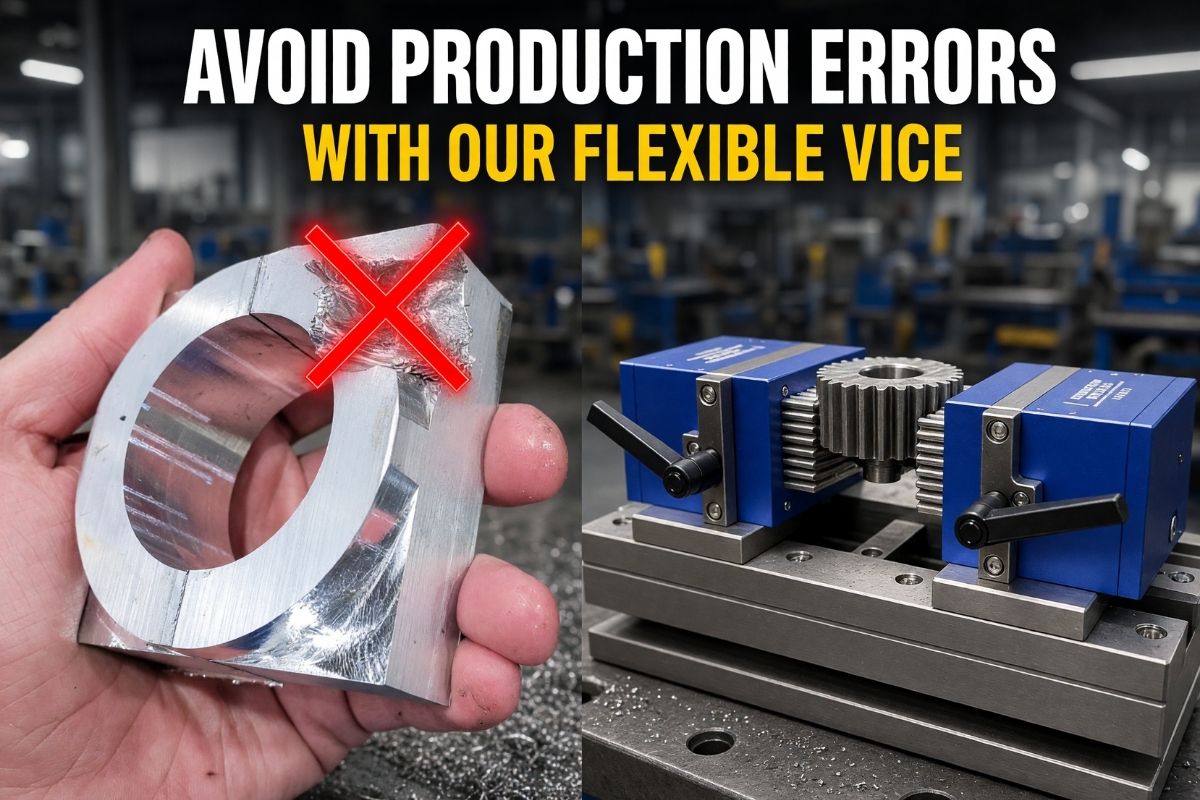
The program is correct. The machine is following the toolpath. Then the workpiece shifts halfway through the cut, and the machine keeps going. A small movement can be enough to lose tolerance, damage the part, or stop production.
Part movement can come from limited jaw engagement, poor support, an unsuitable clamping direction, or cutting forces that the setup was never designed to resist. Adding more clamping force is not always the answer, especially if it distorts the workpiece.
How RHS helps
At RHS, we start with the part geometry, available gripping surfaces, required access, and machining loads. A self-centering vise may suit a regular part; a flexible vise may provide a more suitable way to grip an irregular shape. Dovetail, modular, or custom fixturing may be appropriate when access and support are difficult to achieve together.
The RHS Flexible Tooling Self Centering Vise shown below is an example of geometry-adaptable workholding. Its suitability still needs to be checked against the actual operation. A repeatable fixture interface helps locate the fixture, but the gripping method must control the workpiece itself.
The takeaway: Prove the actual setup under machining load before increasing production. A perfect toolpath still depends on a stable workpiece.
RHS products: https://rapidholdingsystems.com/product-category/vises/flexible-tooling-vises/
2. Preset Off the Machine. Adjust It All Again on the Machine.
You prepare the fixture away from the machine to save setup time. Then you install it and spend that time indicating and adjusting it again. The fixture is ready, but the machine is still waiting.
Repeatability depends on the complete locating chain: the machine interface, base or chuck, pallet or rail, fixture, and workpiece datum. Contamination, interface condition, or variation in how the part seats can leave the operator compensating for the setup.
How RHS helps
RHS helps shops select System 3R-compatible and EROWA-compatible tooling, zero-point systems, Wire EDM rails, and leveling heads around the required datum and changeover process. The objective is to establish a known fixture location and retain useful alignment between jobs.
The System 3R-compatible Wire EDM user kit shown below brings a vise, leveling adapter, chuck, and drawbar into one setup. Initial alignment is still necessary. What matters is the measured result after the complete assembly is removed and reinstalled, not the specification of one component alone.
The takeaway: Measure remove-and-reinstall performance across the complete setup. That tells you how much adjustment a repeat job actually requires.
RHS product: https://rapidholdingsystems.com/product/system-3r-wedm-3r-242hp-compatible-user-kit/
3. The Wire EDM Cut Is Finished. The Workholding Problem Isn’t.
The wire finishes the profile, but the part still needs another operation. A retention tab kept it attached during cutting. Now the tab is difficult to reach, or removing it requires another setup.
This happens when retention and finishing are treated separately. Wire access, lower-head clearance, support near separation, and finished-part removal all need to be planned together. Eliminating a tab without another validated retention method can create a new problem.
How RHS helps
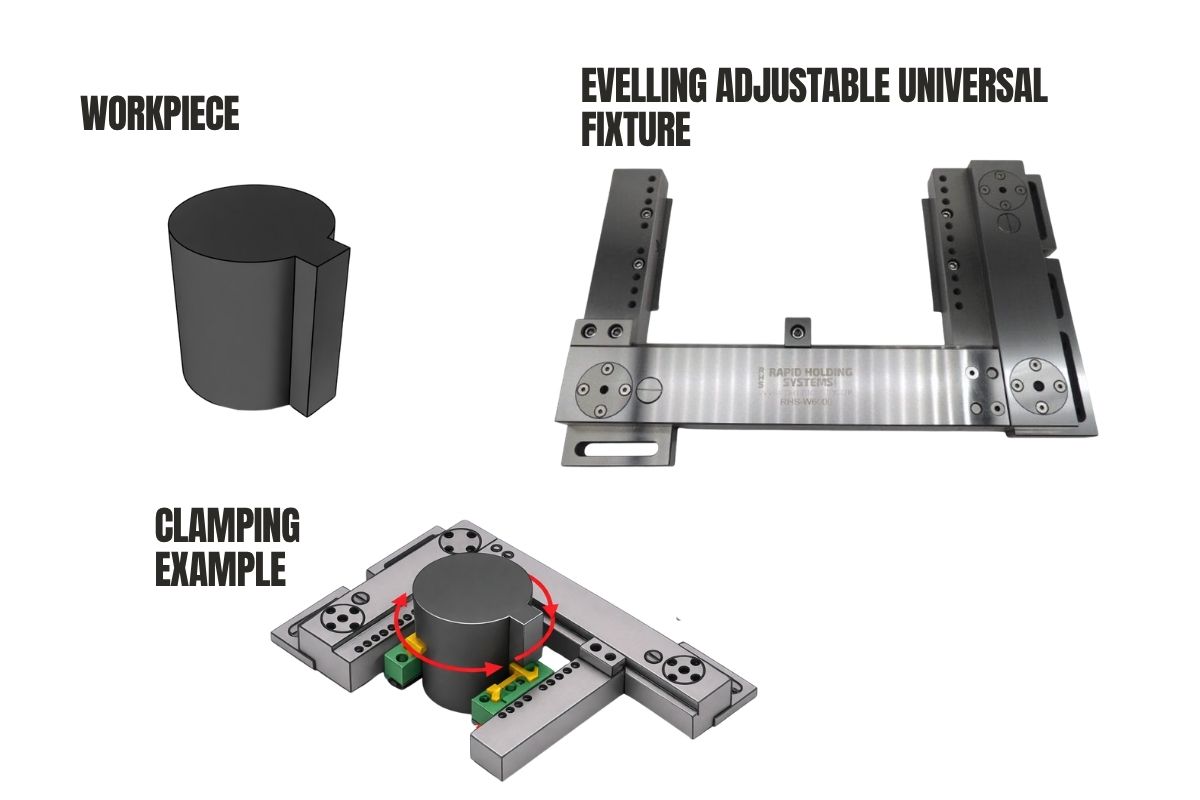
RHS can help review the complete Wire EDM operation and select vises, rails, beams, leveling heads, and fixture components that suit the part and required access. Where standard tooling cannot provide the necessary support, a custom retention fixture may be needed.
The Levelling Adjustable Universal Fixture shown below is an example of a configurable Wire EDM tooling platform for square and long parts. It can support the setup strategy, but it is not a universal cutoff catcher. Supporting a separated part requires a retention method designed and validated for that geometry, material, wire path, and machine clearance.
The takeaway: Plan what happens before, during, and after separation. A reliable cutting setup should also leave a practical way to finish and remove the part.
RHS product: https://rapidholdingsystems.com/product/levelling-adjustable-universal-fixture-rhsvice686/
4. The EDM Can Burn the Parts. Picking Up Every Center Is the Nightmare.
Loading a few small components and finding each center may be manageable. Repeat those pickups across thousands of parts, and setup labor becomes a production bottleneck.
The workholding may have been designed around a single part while production volume grew. More parts on the table will not solve the problem if every component still needs the same individual locating work.
How RHS helps
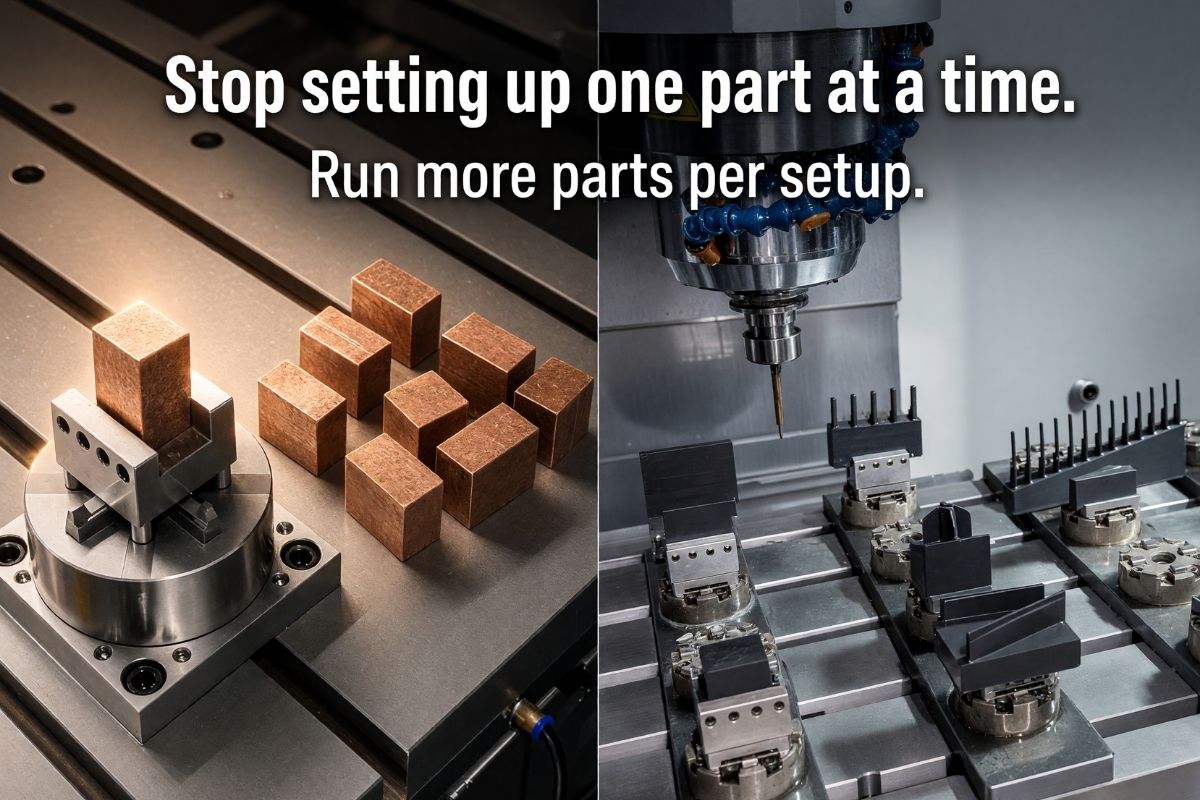
RHS multichucks let shops mount multiple electrode holders or workpiece pallets on a common base, with a defined reference at each station. Available in System 3R-compatible and EROWA-compatible configurations, they help organize multi-part setups and reduce repeated alignment work when holders are removed and reinstalled.
Each workpiece still needs suitable locating and clamping features, but the multichuck provides a repeatable foundation for the setup. Depending on the application, this can mean fewer individual pickups, more parts per setup, and less operator intervention between cycles.
The takeaway: Stop setting up one part at a time. Use repeatable multi-station workholding to run more parts per setup.
.
RHS product: https://rapidholdingsystems.com/expertrec-search/?q=multichuck
5. The Robot Repeats. The Part Position Doesn’t.
The robot repeats its loading motion, but the part returns at a different height. The operator has to correct the position, add checks, or pause the process. Unattended production becomes harder to trust.
A robot’s motion is only one part of the process. Stops, gripping, clamping, pallets, and workpiece seating all affect where the part ends up. Variation at one interface can carry through the entire setup.
How RHS helps
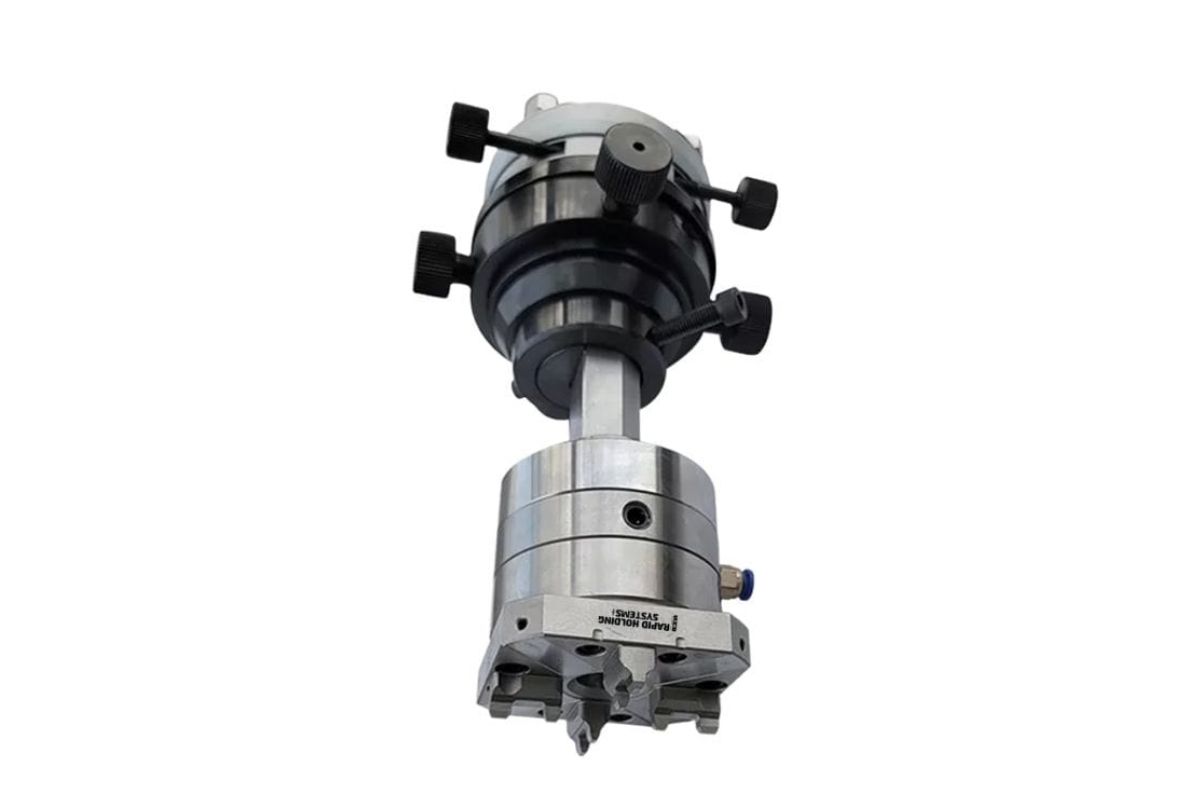
RHS supports automation applications with pneumatic chucks, System 3R-compatible and EROWA-compatible pallet interfaces, and custom workholding. The aim is a defined mechanical location that can be checked through repeated loading and clamping cycles.
The EROWA-compatible automatic EDM chuck shown below is intended for applications including automatic electrode changing and loading. It illustrates a standardized automation interface. It is not a direct replacement for the BT50/ER40 arrangement described in the source discussion; that arrangement needs its own axial-stop and clamping review.
The takeaway: Validate repeated load, clamp, and unload cycles against the required tolerances before extending unattended hours. Automation depends on predictable part location.
RHS product: https://rapidholdingsystems.com/product/e0009-pneumatic-chuck/
Sometimes the Machine Isn’t the Bottleneck. The Setup Is.
These five problems highlight different parts of the same production process: locating the workpiece, controlling it during machining, repeating the setup, handling separation, and loading the next cycle.
Better workholding begins with the application. What part are you trying to hold? Which tolerances need to repeat? Where does the operator lose time? What happens when the fixture is removed and reinstalled? Does the process need to support unattended production?
At Rapid Holding Systems, we help CNC, EDM, and Wire EDM shops select standard and custom workholding around those questions. That may mean a vise, rail and leveling system, zero-point platform, compatible chuck and pallet system, or a fixture designed for the actual part.
Have a setup that is slowing production down? Send us your part drawing or describe the application so we can review the workholding with you.
Email us: [email protected]
Explore RHS tooling: https://rapidholdingsystems.com/
Frequently Asked Questions
1. Why does a workpiece move during CNC machining?
A workpiece can move because of insufficient jaw engagement, poor support, unsuitable clamping direction, or cutting forces that exceed the setup’s holding capability. Review the gripping surfaces, part support, and machining loads before increasing clamping force.
2. How can shops reduce repeated setup adjustments?
Use a defined datum strategy and repeatable workholding interfaces, such as compatible chuck-and-pallet systems or zero-point tooling. Keep locating surfaces clean and measure the complete setup after removal and reinstallation to verify its repeatability.
3. How do you keep a Wire EDM part secure when the cut finishes?
Plan retention before cutting, using suitable tabs, supports, or a custom fixture. The method must retain the separated part without obstructing the wire path or machine heads, while allowing practical finishing and removal.
4. How do multichucks help increase EDM production capacity?
Multichucks accommodate multiple electrode holders or workpiece pallets on a common base with defined station references. With suitable fixtures and a validated process, they can reduce repeated alignment work and allow more parts per setup.
5. Why can part position vary even when a robot repeats accurately?
Robot motion does not guarantee consistent workpiece seating. Variation in stops, clamping, gripping, or locating surfaces can change the final part position. Check workholding repeatability through complete loading and clamping cycles before running unattended.
Related Posts
WEDM Tooling
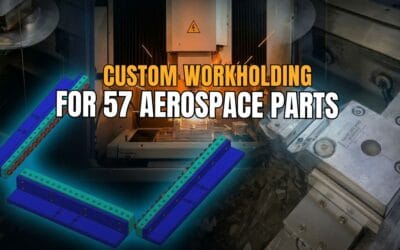
How a five-Part Prototype Paved the Way for a 57-Part Wire EDM Production System
A custom aerospace workholding project developed with Mitsubishi for a new Wire EDM installation. A new Wire EDM machine can offer...
EDM Tooling

EDM Automation at IMTS 2026: See a 4-Head EDM Machine and Robotic Tool Changing in Action
What if you could get more production from your EDM process without simply adding more machines?Or automate your EDM operation...
CNC Tooling
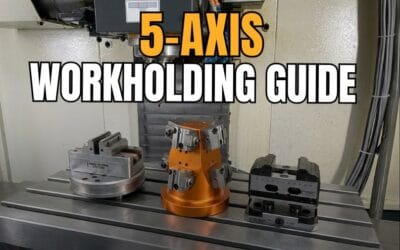
5-Axis Workholding Guide: How to Choose the Right Vise, Zero-Point System, Dovetail or Fixture
A 5-axis CNC can reach more of the part in one setup, but only if the workholding stays out of...